Subsidence claims
Subsidence insurance claims
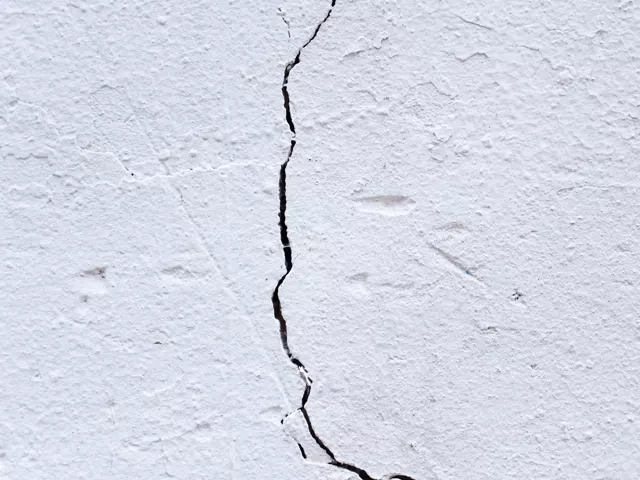
Cracks in your walls can be worrying, and subsidence claims are often long and technical. We represent you from the first investigation to the final repair.
- Free assessmentNo obligation, no upfront cost
- No win, no feeWe don't get paid until you do
- Your own loss assessorFrom first call to final settlement
Long, technical claims need expert help
Subsidence is the downward movement of the ground beneath a building's foundations. In the UK it's often linked to clay soils shrinking in dry weather, the roots of nearby trees drawing moisture from the ground, or leaking drains softening the soil.
Subsidence claims are rarely quick. Insurers usually appoint engineers to investigate the cause, and may monitor the cracks and ground for months before deciding how to repair the property.
Our loss assessors work with specialist surveyors to establish the cause and extent of the movement, make sure the investigation is thorough and fair, and negotiate the repairs and settlement on your behalf.
How we help with your subsidence claim
We work with specialist surveyors to understand why the ground has moved.
We review the insurer's investigations, monitoring and engineers' reports.
We make sure the proposed repairs deal with the cause, not just the cracks.
We negotiate the scope of work and settlement with the insurer.
Somewhere to stay if repairs mean you have to move out, where your policy covers it.
Claims that affect neighbours or involve trees on someone else's land.
Signs of subsidence
Not every crack is subsidence, but these are common warning signs worth getting checked.
- Diagonal cracksCracks around doors and windows, often wider at the top than the bottom.
- Wide cracksCracks wider than about 3mm, roughly the thickness of a 10p coin.
- Sticking doors and windowsDoors and windows that suddenly start to stick or jam.
- Rippling wallpaperWallpaper that ripples or tears without an obvious reason.
- Gaps at skirting boardsGaps opening up between walls and floors or skirting.
- Cracks that growCracks that get wider over time, especially after dry weather.
Common questions
How do I know if cracks are subsidence?
Many cracks are caused by normal settlement or changes in temperature and aren't serious. Cracks that are diagonal, wider than about 3mm or getting bigger are worth investigating. Tell your insurer and contact us so the cause is properly established.
How long does a subsidence claim take?
Often many months, and sometimes longer. Insurers usually monitor the movement before repairing, and the cause, such as a tree or leaking drain, has to be dealt with first. We keep the claim moving and make sure you're kept informed.
Is there a higher excess for subsidence?
Usually, yes. Subsidence claims commonly carry a higher excess than other claims, often around £1,000. Your policy schedule shows the amount.
What if a tree on my neighbour's land caused it?
Claims involving third-party trees can be more complex and may involve the tree owner or the local council. We help make sure the cause is dealt with and that the claim is handled correctly.
Get your first consultation free
Talk to an experienced loss assessor about your claim. No win, no fee.
Lines open Monday to Friday, 9am to 5pm.